Waste Management
WASTE MANAGEMENT
Waste management refers to the collection transportation processing recycling and disposal of waste materials. it is a crucial aspect of environmental sustainability and public health here's on overview of management its importance and various strategies involved .
Importance Of Waste Management
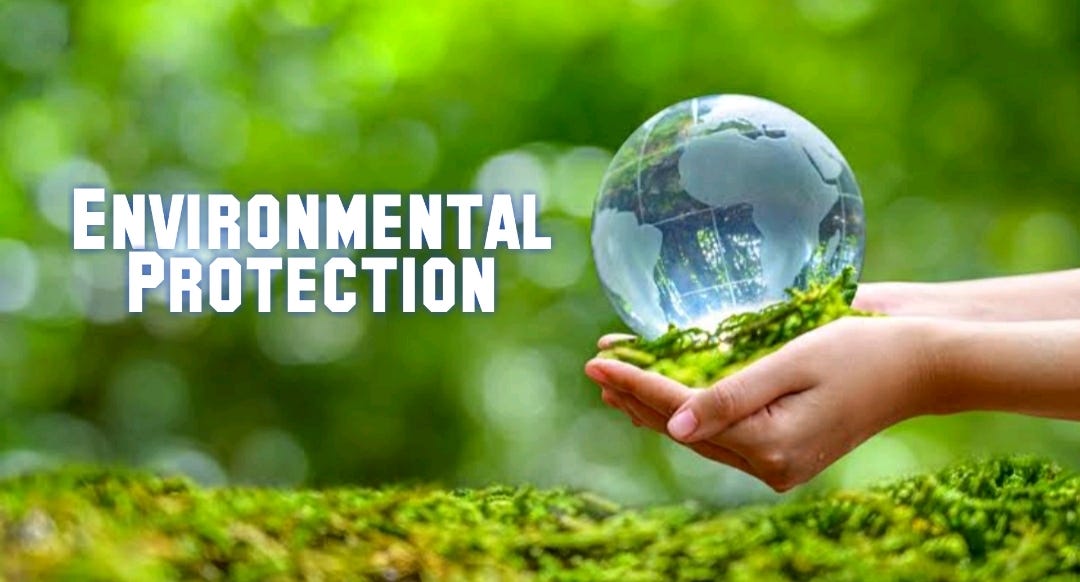
Environmental protection is the practice of protecting the natural environment from negative impacts. The goal is to conserve natural resources, repair damage, and reverse negative trends.

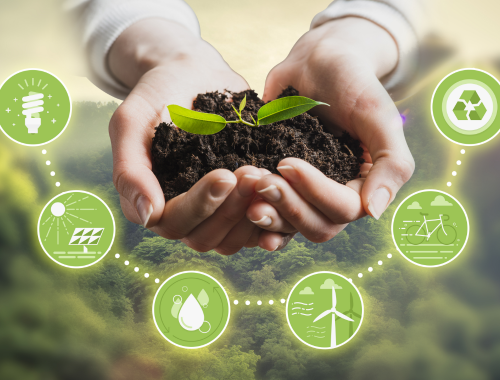

Convert waste into new materials by separating recyclable materials from non-recyclable materials and placing them in the appropriate recycling bin.
Composition is another word for writing — the act of writing or the piece of writing that results. It also refers to what something is made of. The word composition comes from the Latin compomer, meaning "put together" and its meaning remains close to this.

Public health is the science of improving the health of communities and populations through organized efforts and informed choice. Public health professionals work to prevent disease and injury, promote healthy lifestyles, and respond to infectious diseases
Resource conservation is the practice of using resource carefully and giving them time to renew themselves. It involves protecting and enhancing resources that are important for sustainability, such as water, minerals, wildlife, and trees.
Economic resources are important because they play a vital role in economic theory, which associates each type of resource with an outcome. For example, laborers expect wages for their work. The wise use of available resources can determine the success or failure of a venture.
Waste Management Strategies
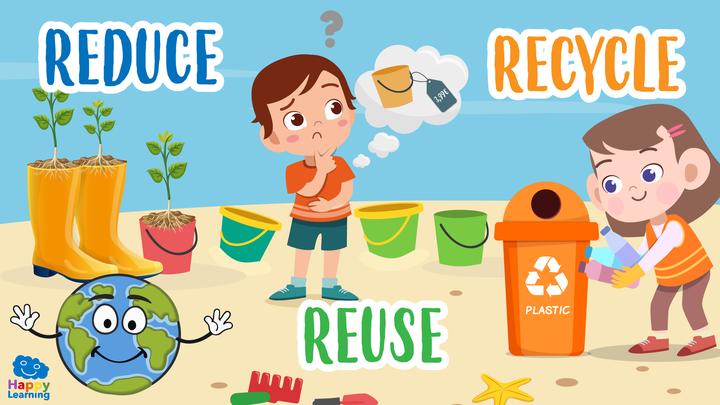
- Reduce
- Reduce the amount of waste you generate by buying only what you need, avoiding unnecessary items, and buying products with minimal packaging.
Convert waste into new materials by separating recyclable materials from non-recyclable materials and placing them in the appropriate recycling bin.
- A traditional method of waste disposal that involves burying waste in a designated area. Landfills are often lined with barriers to prevent contamination of soil and water. However, landfills can release methane gas as the waste decomposes, which is a greenhouse gas that traps heat in the atmosphere.
Conclusion
Effective management is essential for maintaining a clean environment and promoting public health. By implementing strategies like reducing reusing recycling and composting communities can significantly reduce their waste footprint and contribute to a more sustainable future.

Comments
Post a Comment